Learning · शिक्षा
From the page to the hand.
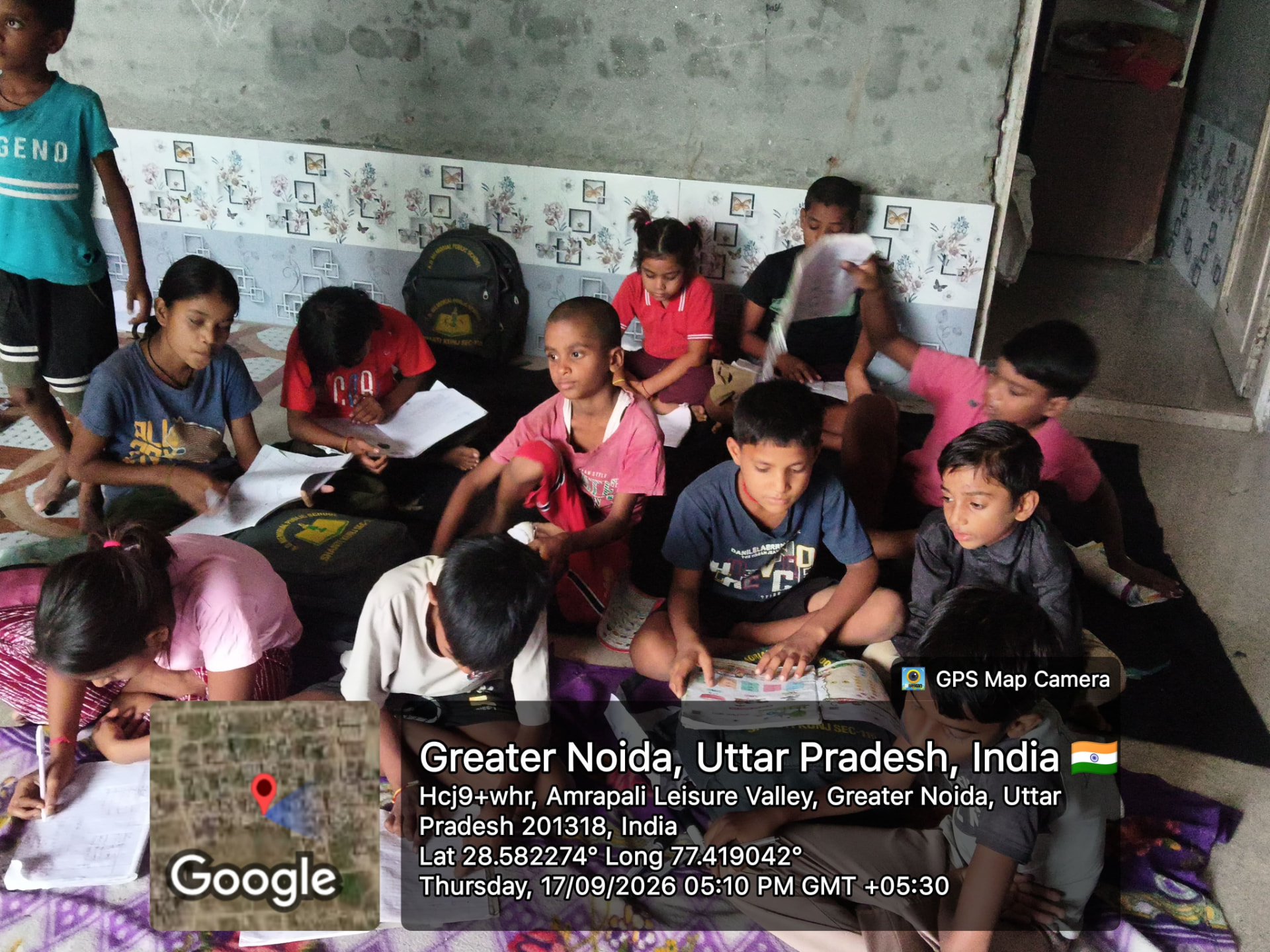
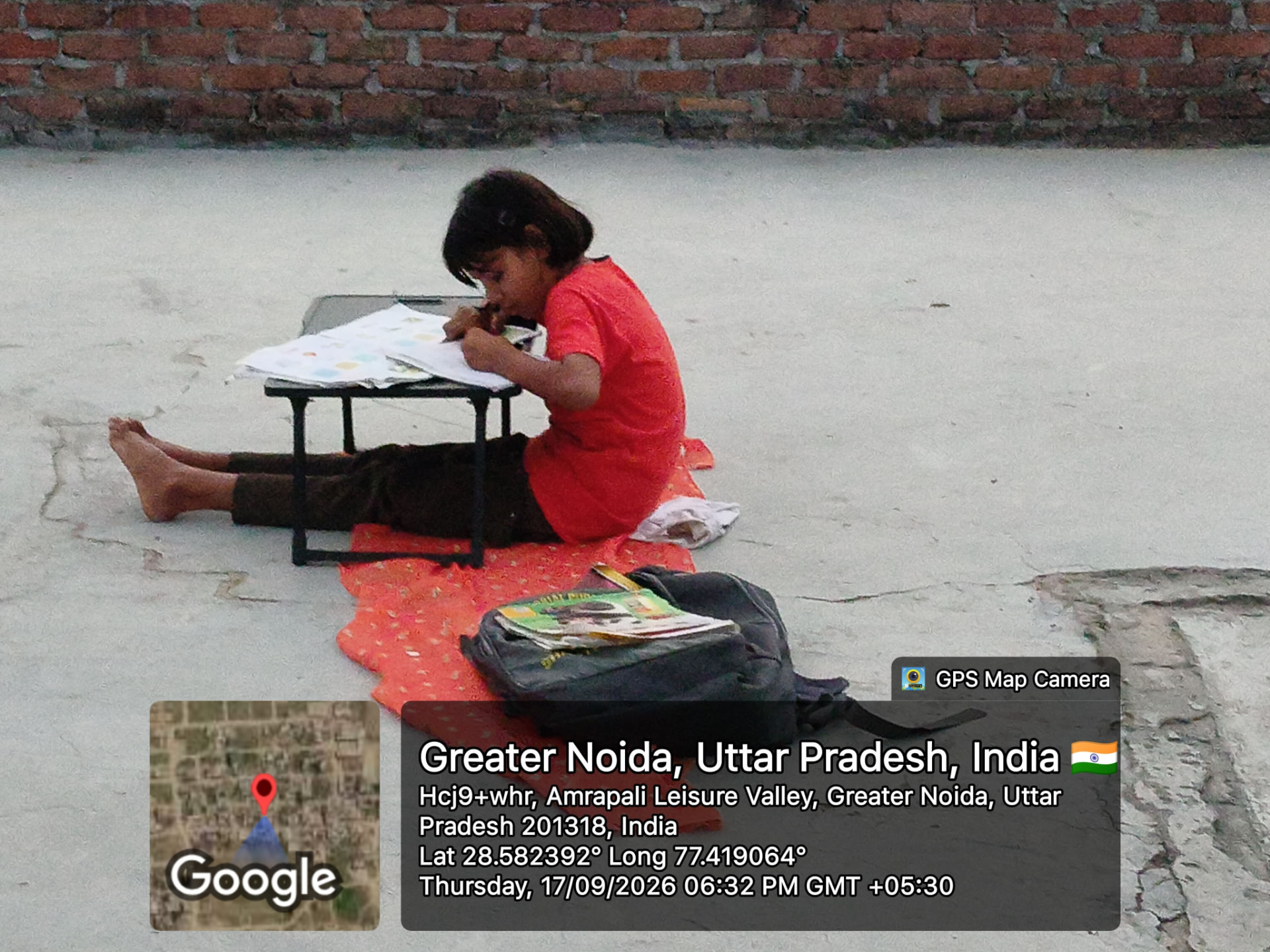
Learning connects schoolbook concepts with explanation, interaction, practice and reflection. We start from the book a child already carries.
One concept, five ways of knowing it.
Illustrative example½ — one half
The fraction as it appears in the schoolbook: a symbol and a word.
What a teacher or mentor does here
Asks what the child already thinks. Offers one more way to see it. Waits while they try. Listens to the explanation.
We do not yet publish learning outcomes. Until they are measured and checked, this page describes an approach, not a result.
A different starting point
What we do differently.
| Question | Common pattern | Our approach |
|---|---|---|
| Starting point | Starting pointA new app or curriculum replaces the schoolbook. | The prescribed schoolbook stays the source. |
| Who guides | Who guidesThe screen decides what comes next. | Teachers and mentors decide; tools support them. |
| Language | LanguageEnglish only, or translation that removes English. | Hindi support inside English exposure. |
| Assessment | AssessmentA score at the end. | Checks that reveal misconceptions so learners recover. |
| After the lesson | After the lessonLearning ends at the last exercise. | It continues through Eco and Jal Seva. |
| Claims | ClaimsHeadline numbers without sources. | Recorded and Verified kept apart. |
Try a chapter yourself.